✓ Simplicity is key for beginners: focus on devices with easy setup and intuitive apps.
✓ Start with one or two devices that address a specific need, like lighting or security.
✓ Compatibility matters: choose devices that work well together, ideally within the same ecosystem.
✓ Smart speakers (like Echo Dot or Google Nest Mini) often serve as an excellent central hub.
✓ Affordability doesn't mean sacrificing quality; many entry-level devices offer great value.
✓ Privacy and security features are crucial; opt for brands with a strong reputation.
✓ Expand your smart home gradually, adding devices as your comfort and needs grow.
How It Works
1
Identify Your Needs
Consider what smart home features would most benefit your daily life. Do you want to save energy, enhance security, or simply add convenience?
2
Choose a Starting Point
Select one or two simple, standalone smart devices to begin. Smart plugs, light bulbs, or a smart speaker are excellent choices for newcomers.
3
Set Up Your Device
Follow the manufacturer's instructions, typically involving downloading an app and connecting the device to your Wi-Fi network. Most modern devices offer guided, step-by-step setup.
4
Integrate and Expand
Once comfortable, consider adding devices that complement your existing setup or can be controlled by a central smart hub. Look for 'Works with' labels to ensure compatibility.
Why Smart Home for Beginners? The Convenience Factor
Photo: RDNE Stock project / Pexels
Embarking on the smart home journey can seem daunting, with an overwhelming array of gadgets and technologies vying for your attention. However, for beginners, the core appeal lies in the sheer convenience and enhanced quality of life these devices offer. Imagine arriving home to perfectly lit rooms, your favorite music playing softly, and the thermostat already set to your preferred temperature – all without lifting a finger. This isn't a scene from a futuristic movie; it's the everyday reality a well-chosen smart home setup can provide.
For those new to the smart home ecosystem, the primary goal should be simplicity. You don't need to automate every aspect of your home overnight. Instead, focus on a few key areas where smart technology can make a noticeable difference in your daily routine. This might be as simple as controlling your lights with your voice, monitoring your front door from your phone, or ensuring your coffee is brewing as you wake up. The beauty of modern smart home devices is their user-friendly design, making setup and operation surprisingly straightforward, even for technophobes. Many devices are 'plug-and-play' and integrate seamlessly with existing Wi-Fi networks, eliminating the need for complex wiring or professional installation.
Beyond convenience, smart home devices offer tangible benefits such as energy savings. Smart thermostats, for instance, learn your schedule and can automatically adjust temperatures, preventing energy waste when you're away. Smart lighting can be programmed to turn off when a room is empty or dim at certain times, reducing electricity consumption. Security is another major draw; smart doorbells and cameras provide peace of mind, allowing you to see and speak to visitors remotely, or monitor your property even when you're not home. These entry-level devices are often affordable, proving that embracing smart technology doesn't require a significant financial investment. The market is saturated with excellent, budget-friendly options that deliver robust performance and reliability.
Furthermore, the smart home ecosystem is incredibly flexible. You can start small, perhaps with a single smart plug, and gradually build out your system as your needs evolve and your comfort level increases. There's no pressure to commit to a single brand or platform immediately, although choosing devices that are compatible with popular ecosystems like Amazon Alexa or Google Home can simplify future integrations. This modular approach allows beginners to experiment, learn, and discover what truly enhances their living space without feeling overwhelmed. It's about making your home work smarter for you, not the other way around. The initial step is often the hardest, but once you experience the effortless control and added comfort, you'll wonder how you ever lived without it. Discover more about smart home integration and how it can simplify your life.
Essential Starter Devices: Our Top Picks for Newbies
When venturing into the smart home world, selecting the right initial devices is crucial for a positive experience. Our top picks focus on ease of use, broad compatibility, and immediate impact, ensuring beginners can quickly enjoy the benefits without frustration.
**1. Smart Speakers (e.g., Amazon Echo Dot, Google Nest Mini):** These are arguably the best starting point for any smart home. They act as your central voice assistant, allowing you to control other smart devices, play music, get news, set alarms, and much more, all with simple voice commands. Their setup is typically straightforward – plug it in, connect to Wi-Fi via an app, and you're ready to go. They are affordable and provide immediate hands-free convenience, making them an excellent gateway to home automation.
**2. Smart Plugs (e.g., TP-Link Kasa Smart Plug, Wyze Plug):** These unassuming devices are incredibly versatile. A smart plug turns any ordinary appliance into a 'smart' one. Plug in a lamp, a fan, or even a coffee maker, and you can then control it remotely via an app or voice commands through your smart speaker. They are inexpensive, require no installation beyond plugging them into an outlet, and allow you to schedule devices, set timers, and save energy. They're perfect for automating simple tasks and experiencing the power of remote control.
**3. Smart Light Bulbs (e.g., Philips Hue White, Sengled Smart Wi-Fi Bulbs):** Replacing your existing light bulbs with smart ones offers instant gratification. You can control them with your voice, an app, or set schedules. Many offer dimming capabilities, and some even allow you to change colors to set the mood. For beginners, Wi-Fi enabled bulbs that don't require a separate hub (like Sengled or Wyze) are ideal, simplifying the setup process. They enhance ambiance and offer energy efficiency.
**4. Smart Thermostats (e.g., Google Nest Thermostat, Ecobee Lite):** While a slightly larger investment, a smart thermostat can quickly pay for itself through energy savings. These devices learn your preferences and schedule, automatically adjusting your home's temperature for optimal comfort and efficiency. They can be controlled remotely via an app, allowing you to warm up your home before you arrive or adjust settings if you forget to do so before leaving. Installation can be a bit more involved than other devices, but many models come with clear instructions or professional installation options.
**5. Smart Doorbells (e.g., Ring Video Doorbell, Google Nest Doorbell):** For those prioritizing home security and peace of mind, a smart doorbell is an excellent choice. It allows you to see, hear, and speak to visitors from anywhere using your smartphone, even if you're not home. Many include motion detection, night vision, and cloud storage for recorded footage. Installation usually involves replacing your existing doorbell and connecting it to your home's Wi-Fi.
**6. Smart Security Cameras (e.g., Wyze Cam, Arlo Essential):** Complementing smart doorbells, indoor or outdoor smart cameras offer additional surveillance. They provide live feeds, motion alerts, and often two-way audio. Cameras like the Wyze Cam are incredibly affordable and offer robust features, making them a great entry point for monitoring specific areas of your home. They are typically easy to set up, requiring just power and a Wi-Fi connection.
**7. Smart Locks (e.g., August Smart Lock, Schlage Encode):** A smart lock offers keyless entry, remote locking/unlocking, and the ability to grant temporary access to guests or service providers. This eliminates the need for physical keys and adds a layer of convenience and security. While installation can be more involved, many are designed to replace existing deadbolts, and the benefits of remote access and monitoring are significant for a modern home. These devices, individually or in combination, provide a solid foundation for any beginner's smart home, offering practical benefits and a taste of future living.
Building Your Smart Home Ecosystem: Compatibility and Future Growth
Once you've dipped your toes into the smart home waters with a few initial devices, the next logical step is to consider how they work together and how your ecosystem might grow. This is where compatibility becomes paramount. The smart home landscape is vast, with numerous brands and platforms, but for beginners, focusing on a few dominant ecosystems can greatly simplify the process. The two giants are Amazon Alexa and Google Home (which includes Google Assistant). Apple HomeKit also exists but generally has fewer supported devices and a higher price point, making it less ideal for beginners unless they are deeply invested in the Apple ecosystem.
Choosing a primary ecosystem early on will save you headaches down the road. If you started with an Amazon Echo Dot, it makes sense to look for devices that are 'Works with Alexa.' Similarly, if you picked up a Google Nest Mini, you'll want 'Works with Google Assistant' products. These labels ensure that your new device can be controlled by your existing smart speaker and integrated into your chosen app, allowing for centralized management and automation. For example, you could set up a routine where saying "Good morning" to your Echo Dot turns on your Alexa-compatible smart lights, starts your smart coffee maker, and reads you the day's headlines.
Beyond the voice assistants, some devices might require their own dedicated hub. Philips Hue smart lights, for instance, traditionally require a Hue Bridge to unlock their full potential, though newer Wi-Fi bulbs bypass this need. SmartThings and Hubitat are examples of more advanced hubs that can connect a wider variety of devices, including those using different communication protocols like Zigbee or Z-Wave, offering greater flexibility and local control. For beginners, however, stick to Wi-Fi-enabled devices that can connect directly to your router or through your smart speaker, minimizing the need for additional hardware and simplifying setup.
Future growth should be organic and driven by your evolving needs. Don't feel pressured to buy every smart gadget available. Instead, think about what problems you want to solve or what conveniences you want to add. Do you want to automate your blinds? Install a smart irrigation system? Monitor your pet while you're at work? As you become more comfortable, you can explore more advanced automations, often called 'routines' or 'scenes.' These allow multiple devices to act in concert based on a trigger – time of day, your presence, or a voice command. For example, a 'Movie Night' scene could dim the lights, close the blinds, and turn on the TV and soundbar with a single command. Explore advanced smart home automation techniques as you gain confidence.
Security and privacy are also crucial considerations as your smart home grows. Always choose reputable brands that have a strong track record of protecting user data and regularly updating their device firmware. Use strong, unique passwords for all your smart home accounts and enable two-factor authentication whenever possible. Regularly review the permissions you grant to smart home apps and devices. Building a smart home is a journey, not a destination. Start simple, prioritize compatibility, and grow your system strategically to create a truly intelligent and intuitive living space that caters to your unique lifestyle.
Avoiding Common Pitfalls: Tips for a Smooth Smart Home Start
Starting your smart home journey should be exciting, not frustrating. By being aware of common pitfalls, beginners can ensure a smooth and enjoyable experience. Here are some essential tips:
* **Don't Overcomplicate It:** The biggest mistake beginners make is trying to automate everything at once. Start with one or two simple devices that solve a clear problem or add immediate convenience. For example, a smart plug for a lamp or a smart speaker to play music. Gradually add more devices as you become comfortable with the technology and understand how it integrates into your daily life.
* **Prioritize Wi-Fi Strength and Coverage:** Most beginner-friendly smart devices rely heavily on your home's Wi-Fi network. A weak or inconsistent signal can lead to devices going offline, slow response times, and general frustration. Ensure your Wi-Fi router is centrally located and consider a mesh Wi-Fi system if you have a large home or dead zones. Reliable connectivity is the backbone of any successful smart home.
* **Check Compatibility Before Buying:** This cannot be stressed enough. Not all smart devices work with all smart home platforms. If you've decided on Amazon Alexa or Google Home as your primary voice assistant, always look for the 'Works with Alexa' or 'Works with Google Assistant' badge on product packaging or descriptions. Mixing incompatible devices can lead to fragmented control and a disjointed experience.
* **Read Reviews and Do Your Research:** Not all smart devices are created equal. Some brands offer better reliability, app experiences, or customer support than others. Before making a purchase, spend some time reading user reviews and expert opinions. Look for feedback specifically from other beginners regarding ease of setup and daily use.
* **Understand Privacy and Security Settings:** Smart devices collect data, and it's important to understand what information is being gathered and how it's used. Choose reputable brands with clear privacy policies. Always use strong, unique passwords for your smart home accounts and enable two-factor authentication whenever possible. Regularly check and update your device's firmware to ensure you have the latest security patches.
* **Don't Be Afraid to Ask for Help:** If you encounter issues during setup or use, don't hesitate to consult the device's manual, online forums, or customer support. Many smart home communities are very active and helpful, and manufacturers often provide extensive troubleshooting guides.
* **Consider Voice Assistant Limitations:** While voice control is incredibly convenient, it's not always perfect. Background noise, mispronunciations, or complex commands can sometimes lead to misunderstandings. Have your phone or tablet with the smart home app handy as a backup control method, especially in the early stages.
By keeping these tips in mind, beginners can navigate the smart home landscape with confidence, building a system that enhances their home without becoming a source of stress. The goal is to make your life easier and more convenient, and avoiding these common pitfalls will help ensure that outcome.
Comparison
Feature
Smart Speaker (Echo Dot)
Smart Plug (Kasa)
Smart Bulb (Sengled Wi-Fi)
Smart Thermostat (Nest)
Initial Cost
$$
$
$$
$$$
Ease of Setup
Very Easy
Very Easy
Easy
Moderate
Core Function
Voice Control, Hub
Appliance Automation
Lighting Control
Climate Control
Remote Control
✓
✓
✓
✓
Voice Control
✓
✓ (via hub)
✓ (via hub)
✓ (via hub)
Energy Saving
✗
✓
✓
✓✓
Requires Hub
✗
✗
✗ (Wi-Fi versions)
✗ (some models)
What Our Readers Say
5★★★★★
"As a complete tech novice, I was intimidated by smart home devices. But following this guide, I started with a smart plug and an Echo Dot. Setup was a breeze, and now I can turn my lamp on with my voice! This truly made smart home accessible for beginners."
Sarah J.Austin, TX
5★★★★★
"The recommendation to start with a smart speaker changed everything. I used to think smart homes were too complex, but my Google Nest Mini is so intuitive. It's truly among the best smart home devices for beginners, making automation simple."
Mark D.Seattle, WA
5★★★★★
"I followed the advice to focus on one problem, and for me, it was managing my lights. The smart light bulbs were so easy to install. Now my lights automatically turn off when I leave, saving me money. I've already seen a 10% drop in my electricity bill!"
Emily R.Denver, CO
4★★★★☆
"This guide helped me pick out my first smart thermostat. While the installation took a little longer than expected, the energy savings and convenience of controlling it from my phone are fantastic. Definitely worth the initial effort for a beginner."
Chris L.Miami, FL
5★★★★★
"I'm not particularly tech-savvy, but I wanted to feel more secure. The smart doorbell recommendation was spot on. It was surprisingly easy to set up, and now I can see who's at my door even when I'm at work. It's a great choice for beginners looking for peace of mind."
Jessica M.Chicago, IL
Frequently Asked Questions
What are the absolute best smart home devices for beginners to start with?
For absolute beginners, smart speakers (like Amazon Echo Dot or Google Nest Mini) and smart plugs are highly recommended. They are affordable, easy to set up, and provide immediate, tangible benefits without requiring complex integrations or deep technical knowledge. These devices allow you to experience core smart home functionalities with minimal effort.
Is setting up smart home devices difficult for someone with no tech experience?
No, most modern smart home devices designed for beginners are engineered for simplicity. They typically come with intuitive mobile apps that guide you through the setup process step-by-step. Many just require plugging in the device, connecting it to your home Wi-Fi, and following on-screen prompts, making them accessible even for those with minimal tech experience.
How do I connect my smart home devices together?
Most beginner-friendly smart devices connect directly to your home's Wi-Fi network. For integration, you'll typically use a central app (like the Amazon Alexa app or Google Home app) or the device's own dedicated app. Once connected, you can link them within your chosen smart home ecosystem to create routines and control multiple devices simultaneously via voice or the app.
Are smart home devices expensive for a beginner?
Not necessarily. While some advanced smart home systems can be costly, many excellent entry-level devices are very affordable. Smart plugs can be found for under $15, and basic smart speakers often go on sale for under $30. You can start with a small budget and gradually expand your system as your needs and comfort level grow.
Do I need a special 'hub' for my smart home devices?
For beginners, often no. Many popular smart devices, especially smart plugs, Wi-Fi light bulbs, and smart speakers, connect directly to your existing Wi-Fi network and don't require a separate hub. If you decide to expand into more complex systems later, a dedicated hub (like a SmartThings Hub) might be beneficial, but it's not necessary for a simple starter setup.
Who should consider buying best smart home devices for beginners?
Anyone looking to add convenience, save energy, enhance security, or simply explore modern technology in their home should consider these devices. They are particularly well-suited for individuals who are curious about smart home tech but feel overwhelmed by its complexity, offering a gentle and accessible entry point.
Are smart home devices secure and private?
Reputable brands prioritize security and privacy, offering features like strong encryption, regular firmware updates, and clear privacy policies. To ensure security, always use strong, unique passwords, enable two-factor authentication, and keep your device firmware updated. Be mindful of the data permissions you grant to apps and devices.
What's the next step after I've mastered the basic smart home devices?
Once you're comfortable with basic devices, consider expanding your ecosystem with smart thermostats for energy efficiency, smart security cameras for monitoring, or smart locks for enhanced access control. You can also start experimenting with more complex routines and automations, linking multiple devices to respond to specific triggers or voice commands.
Ready to transform your living space? Starting your smart home journey with the best smart home devices for beginners is easier than you think. Embrace the convenience, security, and efficiency that smart technology offers, one simple device at a time. Your smarter home awaits!

 Photo: Ling App / Pexels
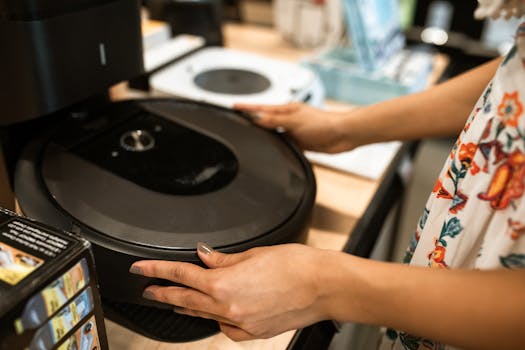 Photo: RDNE Stock project / Pexels