
Best Smart Thermostats for Energy Saving & Comfort
Unlock significant energy savings and superior home comfort with the top smart thermostats designed for efficiency.
Find Your Perfect ThermostatKey Takeaways
- ✓ Smart thermostats can save homeowners 10-15% on heating and cooling costs annually.
- ✓ Many models offer eligibility for local utility rebates, further reducing upfront cost.
- ✓ Advanced features like geofencing and learning algorithms optimize temperature automatically.
- ✓ Remote control via smartphone allows for convenient adjustments from anywhere.
How It Works
Smart thermostats typically replace your existing thermostat, often requiring a common wire (C-wire). Most offer guided installation through their apps or provide professional installation services.
Over time, the thermostat learns your preferences and home's heating/cooling patterns. It uses this data, alongside external factors like weather, to create an optimized schedule.
Using a dedicated smartphone app, you can adjust temperatures, view energy reports, and receive alerts from anywhere. This provides ultimate convenience and control over your home's climate.
Many smart thermostats integrate with smart home ecosystems like Alexa, Google Home, and Apple HomeKit. This allows for voice control and advanced automation routines with other smart devices.
Understanding the Power of Smart Thermostats for Energy Efficiency
 Photo: Jonathan Borba / Pexels
Key Features to Look for in Energy-Saving Smart Thermostats
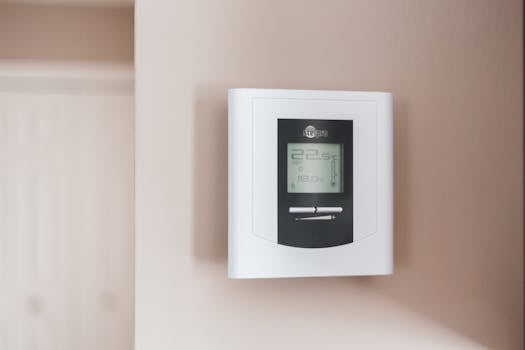 Photo: Erik Mclean / Pexels
Top Contenders: The Best Smart Thermostats for Maximizing Savings
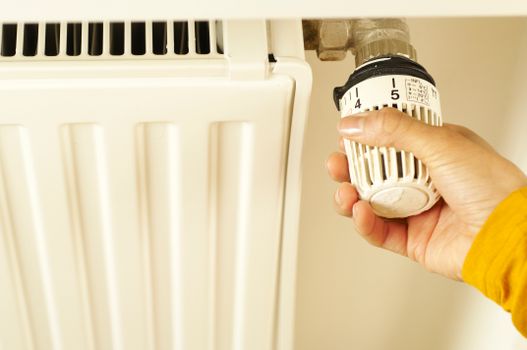 Photo: BOOM 💥 Photography / Pexels
Tips for Maximizing Energy Savings with Your Smart Thermostat
 Photo: Diana ✨ / Pexels
Comparison
| Feature | Nest Learning Thermostat | Ecobee SmartThermostat | Honeywell Home T9 |
|---|---|---|---|
| Learning Algorithm | Excellent | Good | Basic |
| Geofencing | ✓ | ✓ | ✓ |
| Room Sensors Included | ✗ | ✓ (1 sensor) | ✓ (1 sensor) |
| Built-in Voice Assistant | ✗ | ✓ (Alexa) | ✗ |
| Energy Reporting | Detailed | Detailed | Basic |
| Smart Home Integration | Google Home, Alexa | Alexa, Google Home, HomeKit | Alexa, Google Home |
| C-Wire Required | Often | Often | Often |
| Price Range (MSRP) | $$$ | $$$ | $$ |
What Readers Say
"My Ecobee SmartThermostat with the room sensors has been a game-changer. Our upstairs was always too hot, but now with the sensor, it's perfectly comfortable, and our energy bill dropped by 18% last month. Truly one of the best smart thermostats for energy saving!"
Sarah J. · Austin, TX"The Nest Learning Thermostat lives up to its name. After a few weeks, it completely learned our schedule and we barely touch it anymore. Our heating costs are noticeably lower, especially during the cold Colorado winters. Highly recommend for effortless savings."
Mark D. · Denver, CO"Switched to a Honeywell T9 with room sensors and I'm amazed. My home feels more consistently comfortable, and I've seen a solid 15% reduction in my electricity bill. The app is super easy to use, too, which is a big plus."
Emily R. · Seattle, WA"The Wyze Thermostat is fantastic for the price. It doesn't have all the bells and whistles of more expensive models, but it does the job well. I'm saving about $30 a month on AC, which is great for Florida summers. Just wish the geofencing was a little more precise sometimes."
David L. · Orlando, FL"As a remote worker, my heating schedule used to be all over the place. My Sensi Touch Smart Thermostat has given me so much control and insight. I can adjust it from my laptop, and the energy reports are incredibly helpful. It's definitely one of the best smart thermostats for energy saving, even for unpredictable schedules."
Jessica M. · Chicago, ILFrequently Asked Questions
How much energy can I really save with a smart thermostat?
Energy savings vary based on factors like your climate, home insulation, and existing habits. However, studies by the U.S. Department of Energy and leading manufacturers like Nest and Ecobee suggest average savings of 10-15% on heating and cooling costs annually. For many households, this translates to $100-$200 or more per year, quickly offsetting the initial investment.
Do I need a C-wire to install a smart thermostat?
Many advanced smart thermostats, especially those with backlit displays and Wi-Fi connectivity, do require a C-wire (common wire) to provide continuous power. Without it, some thermostats may 'power steal' from your HVAC system, which can lead to system issues. However, some models include an adapter or are designed to work without one, so always check compatibility before purchase.
How do I know if a smart thermostat is compatible with my HVAC system?
Most smart thermostat manufacturers provide an online compatibility checker on their websites. You'll typically need to take a picture of your existing thermostat's wiring to determine compatibility. Factors like the number of wires, whether you have a C-wire, and the type of HVAC system (e.g., conventional, heat pump, multi-stage) will all play a role. When in doubt, consult a professional HVAC technician.
Are smart thermostats worth the investment, considering their price?
Absolutely. While the upfront cost can be higher than traditional programmable thermostats, the energy savings typically pay for the device within a few years. Beyond monetary savings, you gain enhanced comfort, remote control capabilities, detailed energy insights, and often eligibility for local utility rebates, which further reduce the net cost, making them a wise long-term investment.
How do smart thermostats compare to traditional programmable thermostats for energy saving?
While programmable thermostats offer basic scheduling, smart thermostats go far beyond. They learn your preferences, use geofencing to detect occupancy, integrate with weather forecasts, and provide detailed energy reports. This intelligence allows them to optimize temperature settings dynamically, leading to significantly greater and more consistent energy savings compared to the static programming of traditional models.
Who benefits most from installing one of the best smart thermostats for energy saving?
Homeowners who benefit most include those with irregular schedules, individuals who travel frequently, and anyone looking to significantly reduce their energy bills. Also, tech-savvy users who appreciate smart home integration and those living in climates with distinct heating and cooling seasons will find them invaluable for optimizing comfort and efficiency.
Are there any privacy concerns with smart thermostats collecting data?
Smart thermostats do collect data on your home's temperature, occupancy patterns, and energy usage to optimize performance. Reputable manufacturers typically have robust privacy policies outlining how data is collected, stored, and used. Most data is anonymized for energy research or used internally to improve services. It's always wise to review the specific privacy policy of any device you purchase and ensure strong password protection.
What's the future of smart thermostats?
The future of smart thermostats is likely to involve deeper integration with grid services, allowing them to participate in demand response programs for even greater savings and grid stability. Expect more advanced AI for predictive maintenance of HVAC systems, hyper-localized weather data integration, and seamless interoperability with a wider array of smart home and health monitoring devices, creating an even more cohesive and efficient smart home ecosystem.
Embrace the future of home comfort and energy efficiency. By choosing one of the best smart thermostats for energy saving, you're not just buying a device; you're investing in a smarter, more sustainable, and more comfortable home. Start saving today and take control of your energy future.