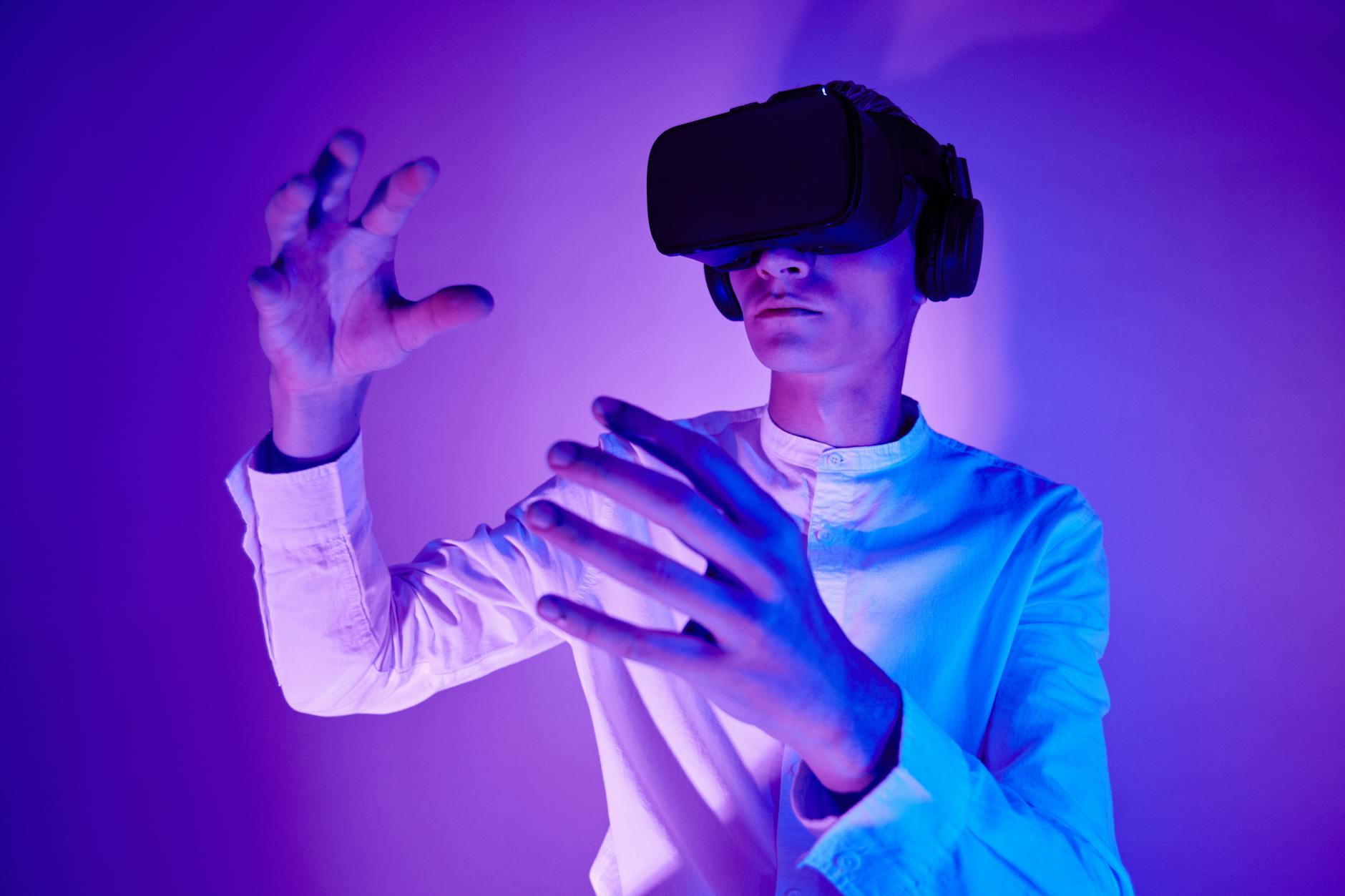
Unveiling the Future of Virtual Reality Technology
Dive into the next generation of immersive experiences and discover how VR will reshape our world.
Explore VR's EvolutionKey Takeaways
- ✓ VR market projected to reach over $100 billion by 2030.
- ✓ Haptic feedback and olfactory VR are on the horizon.
- ✓ Standalone headsets are driving mainstream adoption.
- ✓ Enterprise applications are expanding rapidly beyond gaming.
How It Works
Next-gen VR headsets will feature higher resolutions, wider fields of view, and lighter designs. This will reduce motion sickness and increase comfort for extended use.
Beyond visuals and audio, future VR will incorporate haptic suits for touch and specialized devices for scent and taste. This creates a truly multi-sensory, believable digital environment.
Artificial intelligence will generate more responsive and lifelike virtual characters and environments. Cloud computing will enable complex, persistent shared VR worlds accessible from anywhere.
Eye-tracking, brain-computer interfaces (BCIs), and advanced hand-tracking will offer intuitive, direct control over virtual elements. This removes barriers between user intent and digital action.
The Evolution of Virtual Reality Hardware and Immersion
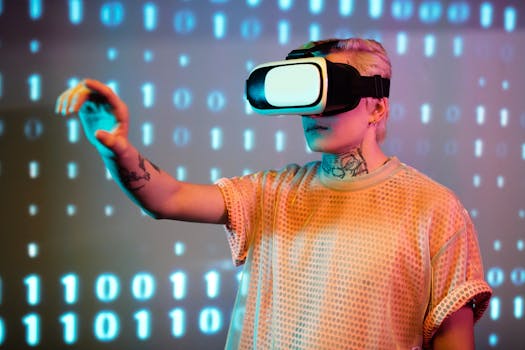 Photo: Darlene Alderson / Pexels
Transformative Applications Across Industries
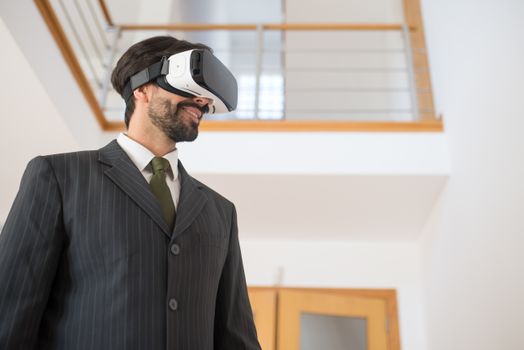 Photo: Kampus Production / Pexels
Ethical Considerations and the Road Ahead for Immersive Tech
Mistakes to Avoid When Embracing Virtual Reality
Comparison
| Feature | Next-Gen VR (2025+) | Current High-End VR (2023) | Early VR (2016) |
|---|---|---|---|
| Resolution (Per Eye) | 8K+ | 2-4K | 1K |
| Field of View | 150°+ | 100-110° | 90° |
| Form Factor | Glasses-like | Goggles (bulky) | Very bulky |
| Tracking | Full Body + Eye + BCI | Hand/Head (Inside-out) | External sensors |
| Sensory Feedback | Haptic, Olfactory, Gustatory | Basic Haptics | None |
| Standalone Capability | ✓ (Primary) | ✓ (Improving) | ✗ (PC tethered) |
| Price Point | Mid-High ($500-$1500) | Mid-High ($400-$1000) | High ($600-$2000+) |
What Readers Say
"The article on the future of virtual reality technology was incredibly insightful. It clearly laid out the advancements coming in hardware and how they'll impact everyday life. I'm genuinely excited for what's next!"
Sarah J. · Austin, TX"I've been following VR for years, and this piece offered a fresh perspective. The deep dive into ethical considerations was particularly valuable and something often overlooked in enthusiast articles. A must-read for anyone interested in immersive tech."
David L. · Seattle, WA"As a business owner, the section on transformative applications opened my eyes to how VR could truly impact my industry. It gave me concrete ideas to explore for training and collaboration. Fantastic, well-researched content!"
Emily R. · New York, NY"While very thorough, I would have loved a bit more speculation on specific metaverse platforms and their potential future. Nonetheless, the coverage of hardware and societal impact was excellent and thought-provoking."
Mark T. · Los Angeles, CA"This article clarified so much about what's coming in VR. As a healthcare professional, the potential for patient care and medical training highlighted here makes me optimistic for the future of virtual reality technology in medicine."
Jessica M. · Chicago, ILFrequently Asked Questions
What are the biggest upcoming advancements in VR hardware?
The biggest advancements include ultra-high-resolution displays (8K+ per eye), wider fields of view, more compact and comfortable form factors resembling regular glasses, and enhanced sensory integration such as advanced haptics, eye-tracking, and even olfactory feedback. Standalone capabilities will also become even more powerful.
Will virtual reality make people less social in the real world?
This is a common concern. While there's a potential for increased time in virtual spaces, the future of VR is also heavily focused on enhancing social interaction, particularly for remote collaboration and connecting with people globally. Responsible design and a balance with real-world activities will be key to mitigating isolation.
How can businesses best prepare for the future of VR technology?
Businesses should start by exploring current VR applications relevant to their industry, investing in pilot programs for training or collaboration, and staying informed about hardware and software developments. Prioritizing user experience, data privacy, and ethical considerations from the outset will also be crucial for successful adoption.
How much will future VR headsets cost?
While high-end, specialized VR systems will likely remain premium, the trend for mainstream consumer VR is toward more accessible price points. Expect future standalone headsets to range from $500 to $1500, with increasing performance and features for the cost, similar to the evolution of smartphones.
How does VR compare to AR (Augmented Reality) in terms of future impact?
Both VR and AR (and the combined XR - Extended Reality) are set for massive growth, but they serve different primary purposes. VR offers full immersion, replacing the real world, ideal for gaming, training, and virtual collaboration. AR overlays digital information onto the real world, enhancing everyday tasks and information access. Their futures are intertwined, often converging into mixed reality experiences.
Who stands to benefit most from the future of virtual reality technology?
Virtually everyone stands to benefit, but key beneficiaries include students and educators through immersive learning; healthcare professionals and patients for training, therapy, and diagnostics; engineers and designers for prototyping; remote workers for enhanced collaboration; and consumers for entertainment, fitness, and virtual tourism. Industries requiring complex training or visualization will see significant advantages.
Are there any health risks associated with advanced VR?
Current VR can cause motion sickness or eye strain for some users, though advancements are mitigating these. Future concerns include potential psychological effects from prolonged immersion or the privacy risks associated with biometric data collection. Responsible usage guidelines, content moderation, and robust data protection will be vital to ensure user safety and well-being.
What role will AI play in the future of virtual reality?
AI will play a transformative role. It will power more intelligent and responsive virtual characters, enable dynamic and procedurally generated environments, optimize foveated rendering based on eye-tracking, and facilitate more natural language processing for voice commands and interactions, making VR worlds more adaptive and engaging.
The future of virtual reality technology is a dynamic landscape of innovation, promising to reshape how we learn, work, and connect. Stay informed and prepare to step into a new era of immersive experiences that will redefine our perception of reality.