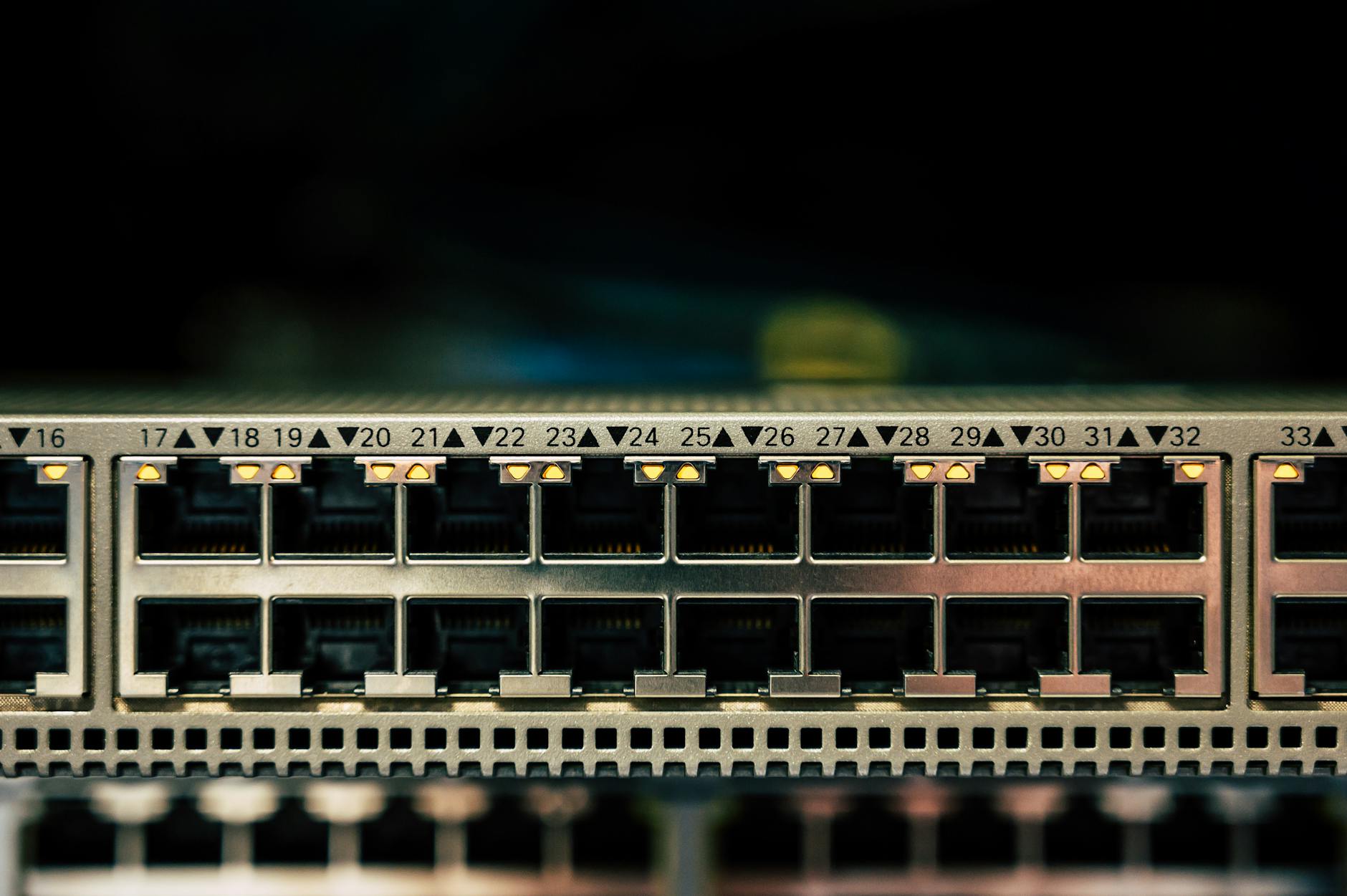
What is the Internet of Things (IoT)? Your Complete Guide
what is the internet of things iot

What is the Internet of Things (IoT)? Your Complete Guide

Explore how interconnected devices are revolutionizing industries and daily life through seamless data exchange.

Dive In Now

Key Takeaways

  • ✓ IoT connects physical objects to the internet, enabling them to send and receive data.
  • ✓ It relies on sensors, software, and other technologies embedded in devices.
  • ✓ IoT applications span smart homes, healthcare, manufacturing, and transportation.
  • ✓ Data security and privacy are critical considerations in IoT deployment.

How It Works

1
Data Collection

Sensors embedded in physical objects gather data from their environment. This can include temperature, motion, light, or location.

2
Data Transmission

The collected data is sent over a network (Wi-Fi, cellular, Bluetooth, etc.) to a central processing system. This often involves gateways or edge devices.

3
Data Processing & Analysis

Cloud platforms or local servers process and analyze the incoming data. This is where raw data is transformed into actionable insights.

4
Action & Feedback

Based on the analysis, systems can trigger actions (e.g., adjust a thermostat, send an alert) or provide insights to users. This creates a feedback loop for continuous improvement.

Unpacking the Core: Defining the Internet of Things (IoT)
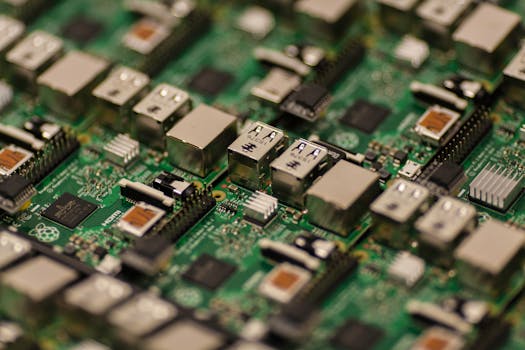
Detailed shot of a Raspberry Pi circuit board showcasing its components, USB ports, and microchips. Photo: Craig Dennis / Pexels
At its heart, the Internet of Things (IoT) represents a paradigm shift in how we interact with the physical world. It’s not just about connecting computers to the internet; it’s about extending internet connectivity to everyday objects, enabling them to collect and exchange data. Imagine your refrigerator ordering groceries when it detects low stock, your car communicating with traffic lights to optimize your route, or your wearable device alerting your doctor to a change in your vital signs. This is the essence of IoT: a vast network of interconnected physical devices, vehicles, home appliances, and other items embedded with sensors, software, and other technologies, all designed to connect and exchange data over the internet. These 'things' range from tiny sensors in industrial machinery to large, complex systems in smart cities. The fundamental principle is that these objects are no longer passive; they are active participants in a digital ecosystem, providing real-time information that can be used to improve efficiency, enhance safety, and create entirely new services and experiences. This connectivity transforms previously 'dumb' objects into 'smart' ones, capable of sensing, processing, and acting upon their environment. The evolution of IoT has been driven by several key factors. Miniaturization of hardware, increased processing power, reduced costs of sensors, and the widespread availability of internet connectivity have all contributed to its rapid growth. Furthermore, advancements in cloud computing and data analytics have provided the necessary infrastructure to process the enormous volumes of data generated by IoT devices. The true power of IoT lies not just in individual devices, but in their collective ability to communicate and collaborate. This creates a rich tapestry of data that, when analyzed, can reveal patterns, predict outcomes, and automate processes in ways previously unimaginable. Understanding the underlying technologies that enable this seamless communication is crucial to grasping the full potential of IoT. From embedded systems to advanced networking protocols, each component plays a vital role in building this intelligent, interconnected world. This interconnectedness promises a future where our environments are more responsive, our systems more efficient, and our lives more convenient, fundamentally changing how we live, work, and interact with the world around us.

The Architecture of Connectivity: How IoT Systems Function
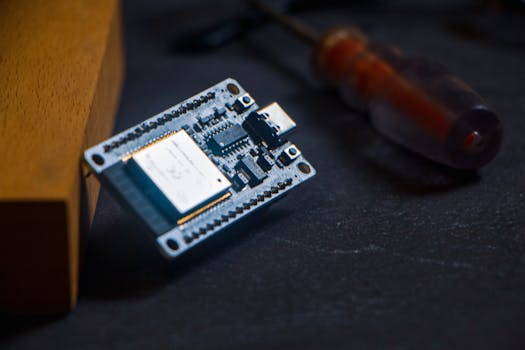
Microcontroller chip with screwdriver on dark surface, ideal for tech and innovation themes. Photo: Tanha Tamanna Syed / Pexels
To truly understand what is the Internet of Things (IoT), it's essential to delve into its architectural layers. An IoT system isn't a monolithic entity; rather, it’s a complex ecosystem comprising several interconnected components that work in harmony. At the base layer are the 'things' themselves – the physical devices equipped with sensors and actuators. Sensors are the eyes and ears of the IoT, gathering data about their environment (e.g., temperature, humidity, light, pressure, motion). Actuators, on the other hand, are the hands and feet, allowing devices to perform actions based on received commands (e.g., turning a light on/off, adjusting a valve, controlling a motor). These devices often have limited processing power and battery life, making efficient data collection and transmission critical. The next layer is connectivity. This involves the communication protocols and networks that enable data to flow from the devices to the cloud and back. Various technologies are employed here, including Wi-Fi for local networks, Bluetooth for short-range connections, cellular (4G/5G) for wide-area coverage, and specialized IoT protocols like LoRaWAN or NB-IoT for low-power, long-range applications. Gateways often play a crucial role in this layer, acting as intermediaries that aggregate data from multiple devices, perform initial processing (edge computing), and then securely transmit it to the cloud. This reduces the amount of raw data sent over the network, optimizing bandwidth and latency. Above the connectivity layer lies the data processing layer, often residing in the cloud. This is where the vast amounts of data collected from thousands or millions of IoT devices are stored, processed, and analyzed. Cloud platforms offer scalable infrastructure, powerful analytics tools, and machine learning capabilities to extract valuable insights from the raw data. This processing can involve data cleansing, aggregation, anomaly detection, and predictive modeling. For example, a smart factory might analyze sensor data from machines to predict maintenance needs before a breakdown occurs, saving significant costs and downtime. Finally, the application layer is what users typically interact with. This includes dashboards, mobile apps, and other software interfaces that present the analyzed data in a meaningful way and allow users to control IoT devices. This layer translates complex data into actionable information, enabling users to monitor their smart home, track their fitness, manage industrial processes, or receive critical alerts. Security is paramount across all these layers, from secure device authentication to encrypted data transmission and robust cloud security measures, to protect sensitive data and prevent unauthorized access. The interplay of these layers creates a robust and scalable framework for the diverse applications of the Internet of Things, making it a cornerstone of modern technological advancement.

Transformative Applications: Where IoT is Making an Impact

Vibrant night scene in Taguig, Philippines with a smartphone capturing the illuminated cityscape. Photo: Ramius Aquiler / Pexels
The reach of the Internet of Things (IoT) extends far beyond consumer gadgets, permeating nearly every sector and reshaping industries with its transformative capabilities. Understanding what is the Internet of Things (IoT) truly means involves recognizing its diverse applications. In our homes, IoT has given rise to the 'smart home' concept, where devices like smart thermostats (e.g., Nest), lighting systems (e.g., Philips Hue), security cameras, and voice assistants (e.g., Amazon Alexa, Google Home) communicate to create a more comfortable, energy-efficient, and secure living environment. These systems can learn our preferences, automate routine tasks, and be controlled remotely, offering unparalleled convenience. Beyond the home, healthcare is being revolutionized by IoT, leading to what is often called the Internet of Medical Things (IoMT). Wearable fitness trackers monitor vital signs and activity levels, smart medical devices assist with diagnostics and treatment, and remote patient monitoring systems allow doctors to keep tabs on chronic conditions from afar. This improves patient outcomes, reduces hospital visits, and provides valuable data for research. The industrial sector, often referred to as Industry 4.0, is another major beneficiary. IoT sensors embedded in manufacturing equipment monitor performance, predict maintenance needs, optimize production lines, and enhance worker safety. This leads to increased operational efficiency, reduced downtime, and significant cost savings. Smart agriculture uses IoT to monitor soil conditions, weather patterns, and crop health, enabling precision farming that optimizes irrigation and fertilizer use, leading to higher yields and reduced waste. Smart cities leverage IoT for managing traffic flow, optimizing public transportation, monitoring air quality, improving waste management, and enhancing public safety through connected surveillance systems. This creates more livable and sustainable urban environments. Even the automotive industry is undergoing a massive transformation with connected cars that offer advanced driver-assistance systems (ADAS), in-car entertainment, remote diagnostics, and V2X (vehicle-to-everything) communication for improved safety and traffic management. The pervasive nature of IoT means that its applications are constantly expanding, promising a future where our environments are not just reactive but truly intelligent and adaptive. The ability to collect, analyze, and act on real-time data across such a wide array of domains underscores the profound impact of IoT on modern society and economy. Explore more about emerging technologies that complement IoT's growth.

Navigating the Landscape: Challenges and Future Outlook of IoT

Detailed close-up of ethernet cables and network connections on a router, showcasing modern technology. Photo: Pixabay / Pexels
While the promise of what is the Internet of Things (IoT) is immense, its widespread adoption also brings forth significant challenges that need to be addressed for its continued, responsible growth. One of the foremost concerns is security. With billions of devices connected to the internet, each represents a potential entry point for cyberattacks. Protecting sensitive data, ensuring device integrity, and preventing unauthorized access are critical. A compromised IoT device could lead to privacy breaches, system failures, or even physical harm in critical infrastructure. Privacy is another major hurdle; as devices collect vast amounts of personal data, questions arise about who owns this data, how it's used, and how to ensure user consent and control. Regulatory frameworks like GDPR and CCPA are attempting to address these concerns, but the landscape is constantly evolving. Interoperability is also a significant challenge. With numerous manufacturers and varying communication protocols, ensuring that devices from different vendors can seamlessly communicate and work together is complex. Standardization efforts are underway, but a universal language for IoT devices is still a work in progress. Scalability and data management present technical difficulties. As the number of connected devices grows exponentially, processing and storing the colossal volumes of data generated become increasingly demanding. Cloud infrastructure and edge computing solutions are crucial for managing this scale efficiently. Despite these challenges, the future of IoT looks incredibly bright. We can expect to see further advancements in artificial intelligence and machine learning integrated directly into IoT devices, enabling more intelligent decision-making at the 'edge' of the network, reducing reliance on constant cloud connectivity. The rise of 5G networks will provide the high bandwidth and low latency necessary for real-time IoT applications, particularly in areas like autonomous vehicles and industrial automation. Furthermore, the development of more robust security protocols and privacy-by-design principles will be essential. The trend towards hyper-personalization will also continue, with IoT devices adapting more intuitively to individual user needs and preferences. Ultimately, IoT is poised to create a more automated, efficient, and data-driven world, but navigating its complexities requires thoughtful innovation, strong ethical considerations, and robust policy frameworks. These are some key considerations for anyone engaging with or developing for the IoT ecosystem: * **Prioritize Security:** Implement end-to-end encryption, strong authentication, and regular security audits. * **Ensure Data Privacy:** Adhere to data protection regulations and provide clear user consent mechanisms. * **Focus on Interoperability:** Design solutions with open standards and APIs to facilitate integration. * **Plan for Scalability:** Choose flexible architectures that can accommodate future growth in device numbers and data volume. * **Consider Edge Computing:** Leverage local processing to reduce latency and bandwidth usage for critical applications. * **Evaluate Energy Efficiency:** Design devices for low power consumption to extend battery life and reduce environmental impact. * **User-Centric Design:** Develop intuitive interfaces and provide clear value propositions to end-users.

Comparison

FeatureSmart Home IoTIndustrial IoT (IIoT)Medical IoT (IoMT)Smart City IoT
Primary GoalConvenience, Comfort, SecurityEfficiency, Productivity, SafetyPatient Care, Monitoring, DiagnosticsSustainability, Public Services
Typical DevicesThermostats, Lights, SpeakersSensors, PLCs, RobotsWearables, Implants, MonitorsSensors, Cameras, Traffic Lights
Data VolumeModerateHighHighVery High
CriticalityMediumHighVery HighHigh
Data Security FocusPersonal PrivacyOperational Integrity, IPPHI, Regulatory CompliancePublic Safety, Infrastructure
Connectivity NeedsWi-Fi, BluetoothEthernet, Cellular, LoRaWANBluetooth, Wi-Fi, CellularCellular, LoRaWAN, NB-IoT

What Readers Say

"Understanding what is the Internet of Things (IoT) completely changed how I view my home. My smart thermostat and lighting now work together seamlessly, saving me money and making my life so much easier. It's truly transformative."

Sarah J. · Austin, TX

"As an engineer, this article provided an incredibly clear breakdown of the IoT architecture. It clarified many concepts I'd heard about, making the whole system much more comprehensible and the potential for innovation very clear."

Mark D. · Chicago, IL

"The insights on IoMT were particularly valuable. We've seen a 30% reduction in readmissions for certain chronic conditions thanks to remote patient monitoring, a direct result of effective IoT implementation in our practice."

Dr. Anya Sharma · Boston, MA

"The explanation of IoT's impact on smart cities was compelling. While security concerns are real and need constant attention, the potential for efficiency in urban planning is undeniable. A very balanced perspective."

David K. · San Francisco, CA

"This guide helped me understand how IoT is used in agriculture, which is my field. Knowing how sensors can optimize crop yields and reduce waste makes me excited for the future of sustainable farming."

Maria P. · Miami, FL

Frequently Asked Questions

What is the primary purpose of the Internet of Things (IoT)?

The primary purpose of IoT is to enable physical objects to connect to the internet, allowing them to collect and exchange data. This data is then used to automate processes, monitor environments, and provide insights that improve efficiency, convenience, and decision-making across various domains.

Is IoT secure? What are the main concerns?

IoT security is a significant concern due to the vast number of connected devices and potential vulnerabilities. Main concerns include data breaches, unauthorized access to devices, malware attacks, and privacy violations. Robust security measures like encryption, strong authentication, and regular updates are crucial to mitigate these risks.

How can I get started with IoT in my home?

To get started with IoT in your home, begin with a smart hub or voice assistant (like Amazon Echo or Google Home) as your central controller. Then, gradually add compatible smart devices such as smart lights, thermostats, or security cameras. Ensure devices are from reputable brands and have strong security features.

Is IoT an expensive technology to implement?

The cost of IoT implementation varies widely. For consumers, individual smart devices are increasingly affordable, but a comprehensive smart home system can be an investment. For businesses, initial setup costs for industrial or smart city IoT can be substantial, but the long-term benefits in efficiency, cost savings, and new revenue streams often provide a strong return on investment.

How is IoT different from traditional internet usage?

Traditional internet usage primarily involves human interaction with digital content via devices like computers and smartphones. IoT extends internet connectivity to physical objects, allowing them to communicate and operate autonomously without direct human intervention, collecting and exchanging data directly from the physical world.

Who benefits most from the Internet of Things?

Virtually everyone benefits from IoT, but some key beneficiaries include consumers (through smart homes, wearables), businesses (increased efficiency, predictive maintenance), healthcare providers (remote patient monitoring, improved diagnostics), and city planners (smart traffic, energy management). Any sector that can leverage real-time data for better decision-making stands to gain significantly.

What are the privacy implications of IoT devices?

Privacy implications of IoT devices are substantial. They collect vast amounts of personal data, including habits, location, health metrics, and voice commands. Concerns include unauthorized data access, data sharing with third parties, and the potential for surveillance. Users should be aware of privacy policies and manage settings carefully.

What are the future trends for the Internet of Things?

Future trends for IoT include deeper integration with AI and machine learning for more intelligent automation, wider adoption of 5G for faster and more reliable connectivity, increased focus on edge computing to process data locally, and greater emphasis on robust security and privacy-by-design principles. We'll also see more pervasive IoT in smart cities and autonomous systems.

Ready to embrace the connected future? Understanding what is the Internet of Things (IoT) is the first step towards leveraging its power. Start exploring how IoT can enhance your life or business today.

Topics: what is the internet of things iotIoT explainedconnected devicessmart technologyfuture of IoT
Leo List
Brampton weed
Adultwork