Where to Buy Refurbished iPhones: Your Ultimate Guide to Smart Savings
August 24, 2026 14 min read 2,724 words
Unlock significant savings on premium Apple devices without compromising quality or performance.
Find Your Perfect iPhone
Navigating the Landscape: Where to Buy Refurbished iPhones Safely
 Photo: Torsten Dettlaff / Pexels
The quest for a high-quality, affordable iPhone often leads consumers to the flourishing market of refurbished devices. But for many, the critical question remains: where to buy refurbished iPhones safely and reliably? The answer isn't a single destination but rather a landscape of options, each with its own advantages and considerations. Understanding these avenues is paramount to making an informed decision that balances cost savings with peace of mind. Buying a refurbished iPhone doesn't mean settling for a second-rate device; it means gaining access to premium technology at a fraction of the cost, provided you know where to look and what to look for. This section will meticulously break down the most reputable sources, helping you navigate the choices with confidence.
First and foremost, Apple's own Certified Refurbished program stands as the gold standard. When you purchase directly from Apple, you are guaranteed an iPhone that has undergone rigorous testing, includes genuine Apple replacement parts (where necessary), a new battery, a new outer shell, and comes with a one-year warranty. This is virtually indistinguishable from a new device in terms of functionality and aesthetics, making it an excellent, albeit slightly pricier, option for those prioritizing maximum assurance. However, their inventory can be limited, and specific models might not always be available.
Beyond Apple, major retailers like Best Buy and Amazon also offer refurbished iPhones. Best Buy's Geek Squad Certified Refurbished program, for instance, ensures devices meet specific standards and often come with a decent warranty. Amazon Renewed is another significant player, aggregating various sellers who offer refurbished electronics. While Amazon provides a 90-day guarantee, the quality can vary between individual sellers, necessitating careful review of seller ratings and product descriptions.
Exploring different certification programs can help you understand the varying levels of quality assurance offered by these platforms.
Specialized refurbishers such as Gazelle, Decluttr, and Swappa also dominate this market. These platforms focus exclusively on buying and selling used and refurbished electronics. Gazelle, for example, is known for its stringent 30-point inspection process and offers a 30-day return policy. Swappa operates more as a marketplace, connecting buyers directly with sellers, but it has strict listing requirements and human moderation to ensure quality. Prices on these sites can often be more competitive than major retailers or Apple itself, but the warranty periods might be shorter.
Carrier-specific refurbished programs, offered by AT&T, Verizon, T-Mobile, and others, are another viable option, especially if you're looking to bundle your device purchase with a new plan. These devices are often meticulously inspected and come with warranties, though they might be locked to the carrier's network. Finally, it's worth mentioning reputable local electronics stores, which can sometimes offer great deals and personalized service, though the inventory might be smaller and warranties less comprehensive. The key is to prioritize sellers who are transparent about their refurbishment process, offer clear warranties, and have robust customer support. By doing so, you can confidently answer the question of where to buy refurbished iPhones and enjoy significant savings.
Understanding Refurbishment: What Exactly Are You Buying?
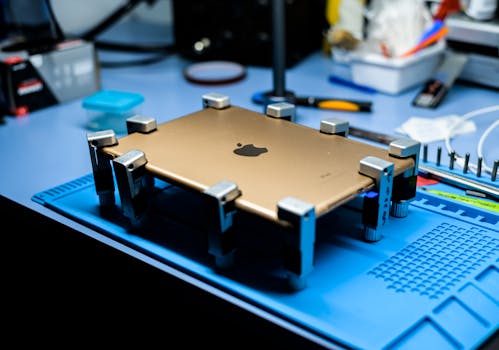 Photo: Miguel Galaz / Pexels
Before diving into where to buy refurbished iPhones, it's crucial to grasp what 'refurbished' truly means, as this term can encompass a wide spectrum of conditions and processes. Unlike a 'used' phone, which is simply sold as-is after being previously owned, a refurbished iPhone has undergone a professional inspection, repair (if necessary), and cleaning process. This distinction is vital for consumers seeking reliability and performance. The goal of refurbishment is to restore a device to a fully functional, near-new condition, or at least to a specified standard of performance and aesthetics.
The refurbishment process typically begins with a thorough diagnostic test to identify any malfunctioning components. This can include checking the battery health, screen responsiveness, camera functionality, speaker output, and connectivity (Wi-Fi, Bluetooth, cellular). Any parts that fail these tests are either repaired or replaced. For Apple Certified Refurbished products, these replacements are always with genuine Apple parts, including a new battery and outer shell, ensuring the highest quality. Third-party refurbishers may use aftermarket parts, which can be a point of concern for some buyers, though many reputable ones use high-quality, OEM-equivalent components.
Beyond functionality, cosmetic condition is a significant factor. Refurbished devices are often graded based on their appearance. 'Grade A' or 'Like New' typically means the device has minimal to no visible scratches or dents. 'Grade B' or 'Excellent' might have minor cosmetic imperfections that are not noticeable from arm's length. 'Grade C' or 'Good' could show more noticeable signs of wear, such as light scratches or scuffs. These grades directly influence the price, with higher grades commanding a higher price point. Understanding these grading systems, often detailed on seller websites, allows you to manage expectations about the device's physical state.
Another critical aspect is the data wiping process. All reputable refurbishers ensure that all previous user data is completely erased from the device, restoring it to factory settings. This protects the privacy of the previous owner and ensures the new user starts with a clean slate. Furthermore, devices are usually unlocked, meaning they are not tied to a specific carrier, offering greater flexibility for the buyer.
In essence, when you're exploring where to buy refurbished iPhones, you're not just buying a pre-owned device; you're investing in a product that has been professionally vetted and restored. This process significantly mitigates the risks associated with buying a used phone from an individual seller, offering a blend of affordability and reliability that makes refurbished iPhones an increasingly attractive option for tech-savvy consumers. The depth of the refurbishment process directly correlates with the trustworthiness and quality of the vendor, making vendor selection a paramount decision.
Key Considerations and What to Look for When Choosing Your Refurbished iPhone
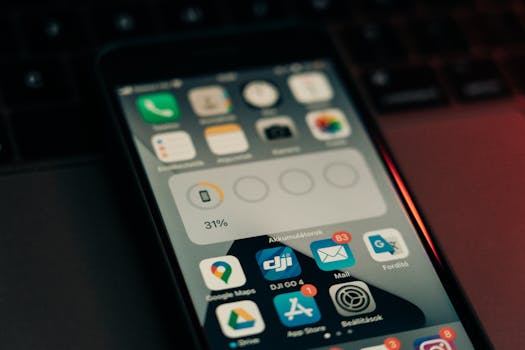 Photo: Szabó Viktor / Pexels
Choosing where to buy refurbished iPhones is only half the battle; knowing what to look for in the device itself and the purchasing terms is equally vital. With a plethora of models and conditions available, a discerning eye and a clear understanding of your priorities will ensure you make a smart investment. This section delves into the essential factors that should guide your decision-making process, helping you avoid common pitfalls and secure a high-quality device that meets your needs.
First, the warranty is non-negotiable. A reputable seller will always offer a warranty, typically ranging from 30 days to a full year. Apple's Certified Refurbished iPhones come with a standard one-year warranty, identical to new devices. Other sellers might offer 90-day or 6-month warranties. The longer the warranty, the better, as it provides extended protection against unforeseen defects. Closely tied to the warranty is the return policy. Ensure the seller has a clear and reasonable return window, ideally 14-30 days, allowing you to thoroughly test the device and return it if it doesn't meet expectations.
Battery health is another critical component often overlooked. While many refurbished iPhones come with a new or near-new battery, it's not always guaranteed, especially from less reputable sources. A battery's maximum capacity, viewable in iOS settings, indicates its health. Aim for a device with a battery capacity of 85% or higher, or ideally, one that states a new battery has been installed. A poor battery will significantly impact the device's daily usability and longevity.
Next, consider the device's carrier lock status. Most refurbished iPhones from specialized refurbishers or Apple are unlocked, meaning they can be used with any carrier. However, devices from carrier-specific programs or some third-party sellers might be locked to a particular network. Always confirm the unlock status to avoid compatibility issues with your preferred cellular provider.
Understanding carrier locks and unlocking services can save you future headaches.
Cosmetic condition, as discussed earlier, plays a role in pricing and personal satisfaction. Decide what level of aesthetic perfection you're comfortable with. If a few minor scratches don't bother you, opting for a 'Grade B' or 'Good' condition iPhone can lead to even greater savings. If you prefer a flawless look, 'Grade A' or 'Like New' is the way to go, albeit at a higher cost.
Finally, compare prices across different reputable sellers for the exact same model and condition. Prices can fluctuate, and a little research can yield significant savings. Be wary of deals that seem too good to be true, as they often are. Prioritize sellers with strong customer reviews and transparent product descriptions. By meticulously evaluating these factors, you can confidently navigate where to buy refurbished iPhones and acquire a device that offers excellent value and reliable performance for years to come.
Maximizing Value: Tips for Smart Shopping and Avoiding Common Refurbished iPhone Mistakes
 Photo: https://kaboompics.com/ / Pexels
Embarking on the journey to find where to buy refurbished iPhones can be incredibly rewarding, offering access to premium technology at a fraction of the cost. However, the path isn't without its potential pitfalls. To truly maximize value and ensure a positive experience, it's essential to arm yourself with smart shopping strategies and learn to avoid common mistakes that many first-time buyers make.
**Tips for Smart Shopping:**
* **Set a Budget and Stick to It:** Refurbished iPhones come in a wide price range. Knowing your budget helps narrow down models and sellers. Don't get swayed by slightly better specs if it pushes you over your financial limit.
* **Prioritize Features:** Do you need the latest camera, or is battery life more important? Older models can offer fantastic value if you don't need cutting-edge features. For example, an iPhone 12 might be significantly cheaper than an iPhone 14 but still offers excellent performance for most users.
* **Read the Fine Print:** Always, always read the product description, warranty terms, and return policy carefully. Understand what's included (charger, headphones) and what's not. Some sellers include accessories, others don't.
* **Check for Certifications:** Look for certifications like 'Apple Certified Refurbished' or specific retailer certifications (e.g., Best Buy's Geek Squad Certified). These indicate a higher standard of inspection and repair.
* **Compare Seller Reputations:** Utilize customer reviews and independent third-party ratings (like Trustpilot or BBB) to gauge a seller's reliability and customer service.
**Common Refurbished iPhone Mistakes to Avoid:**
* **Confusing 'Used' with 'Refurbished':** As discussed, these are not the same. 'Used' often implies no professional inspection or repair, leading to higher risks. Always confirm the device is professionally refurbished.
* **Ignoring Warranty and Return Policies:** This is perhaps the biggest mistake. A lack of warranty or a restrictive return policy leaves you vulnerable if the device develops issues shortly after purchase.
* **Not Checking Battery Health:** A dying battery can render an otherwise perfect iPhone frustrating to use. Always inquire about or verify the battery health percentage.
* **Overlooking Carrier Locks:** Buying a locked phone when you need an unlocked one can lead to significant headaches and extra costs. Confirm the unlock status before purchasing.
* **Falling for Unrealistic Deals:** If a price seems unbelievably low compared to other reputable sellers, it's a red flag. It could indicate a lower-grade device, a scam, or hidden issues.
* **Skipping Accessory Checks:** Some refurbished phones come with third-party chargers or cables, which might not be MFi (Made for iPhone) certified. This can affect charging speed and even battery health over time. Inquire about the accessories included.
By following these tips and avoiding these common pitfalls, your experience of where to buy refurbished iPhones will be smooth, cost-effective, and ultimately, highly satisfying. Smart shopping transforms a potentially risky purchase into a savvy investment in quality technology.
